
Introduction
In the ever-evolving world of materials science, Polymer Metal Composites are emerging as one of the most groundbreaking innovations of the 21st century. Combining the best properties of metals and polymers, these advanced materials are redefining how industries—from aerospace to biomedical—design and manufacture products.
Unlike traditional materials that often force a trade-off between strength and flexibility, Polymer Metal Composites (PMCs) bring the best of both worlds. They merge the ductility, strength, and conductivity of metals with the lightweight, corrosion-resistant, and versatile characteristics of polymers. This synergy has opened the doors to new possibilities across engineering, electronics, energy, and beyond.
In this in-depth exploration, we’ll uncover the 7 powerful innovations driving the future of Polymer Metal Composites, how they’re transforming industries, and why they’re becoming essential for modern engineering.
Understanding Polymer Metal Composites
What Are Polymer Metal Composites?
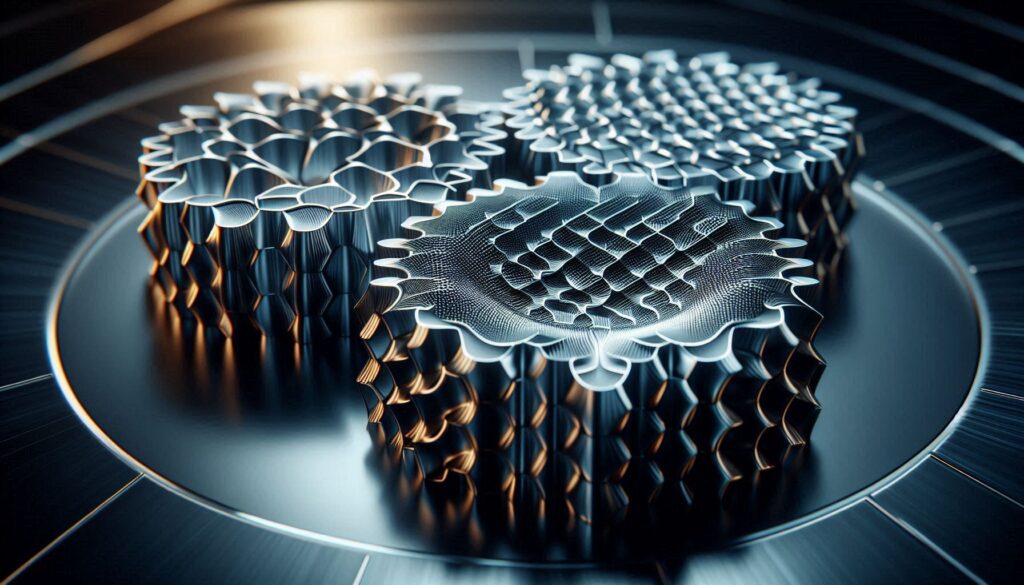
At their core, Polymer Metal Composites are hybrid materials that blend metallic and polymeric phases at the molecular or structural level. This combination can be achieved through various techniques such as:
-
Metal particle reinforcement in polymer matrices
-
Metal coating over polymer substrates
-
Polymer infiltration into porous metals
-
Nanocomposite formation at the atomic scale
The result is a class of materials that provide enhanced mechanical, thermal, and electrical properties—ideal for applications where traditional materials fall short.

Why Polymer Metal Composites Are Revolutionary
-
Lightweight yet Strong: They achieve high strength-to-weight ratios that metals alone cannot match.
-
Corrosion and Wear Resistance: The polymer component protects the metal phase from environmental degradation.
-
Thermal and Electrical Tunability: Conductivity can be adjusted for specific engineering requirements.
-
Manufacturing Flexibility: These composites can be 3D printed, molded, or extruded into complex geometries.
-
Sustainability Potential: Many PMCs are recyclable or can reduce material waste in production.
Table: Comparison Between Polymers, Metals, and Polymer Metal Composites
| Property | Polymers | Metals | Polymer Metal Composites |
|---|---|---|---|
| Density | Low | High | Moderate |
| Strength | Low to Medium | High | High |
| Thermal Conductivity | Low | High | Adjustable |
| Electrical Conductivity | Insulator | Conductor | Semi-conductor/Conductor |
| Corrosion Resistance | Excellent | Poor to Moderate | Excellent |
| Fabrication Flexibility | High | Limited | High |
| Cost Efficiency | High | Moderate to High | High |
| Weight | Very Light | Heavy | Lightweight |
This table highlights how Polymer Metal Composites combine the strengths of both traditional materials, resulting in a balanced and superior performance profile for demanding industries.
7 Powerful Innovations Shaping the Future of Polymer Metal Composites
Let’s dive into the seven key innovations that are revolutionizing industries with the help of Polymer Metal Composites.
1. Lightweight Structural Materials in Aerospace Engineering
In aerospace, weight reduction directly translates into fuel efficiency and performance improvement. Engineers are turning to Polymer Metal Composites to design components that maintain structural integrity under extreme conditions while significantly reducing aircraft weight.
Key Features:
-
High stiffness-to-weight ratio
-
Excellent fatigue and impact resistance
-
Corrosion resistance against jet fuels and atmospheric conditions
Applications include:
-
Aircraft fuselage panels
-
Landing gear components
-
Jet engine casings
-
Spacecraft body structures
These composites are now replacing traditional titanium and aluminum alloys, paving the way for lightweight yet durable next-generation aircraft.
2. Electrically Conductive Polymers for Smart Electronics
The marriage of conductive metals and flexible polymers has led to the birth of smart electronic materials that can bend, stretch, and still conduct electricity efficiently.
Polymer Metal Composites are now being used to create flexible circuit boards, wearable sensors, and transparent electrodes—bridging the gap between rigidity and flexibility in electronics.
Advantages:
-
Improved conductivity with reduced material bulk
-
Flexible, printable circuits for compact devices
-
Cost-effective alternative to pure metals like copper
Emerging applications:
-
Wearable health monitors
-
Smart textiles
-
Foldable displays
-
Flexible solar panels
By enhancing electrical performance and mechanical adaptability, Polymer Metal Composites are shaping the future of flexible electronics.

3. Next-Generation Automotive Design
Automobile manufacturers are under constant pressure to enhance fuel efficiency, safety, and performance while minimizing environmental impact. Polymer Metal Composites offer the perfect solution by combining the structural benefits of metals with the lightweight nature of polymers.
Advantages in the automotive sector:
-
Reduced overall vehicle weight, improving mileage
-
Enhanced crash resistance and impact absorption
-
Noise and vibration damping capabilities
-
Easier recyclability and eco-friendly manufacturing
Applications include:
-
Engine covers and housings
-
Body panels and chassis components
-
Battery enclosures for electric vehicles (EVs)
-
Heat shields and underbody protection
By integrating Polymer Metal Composites, carmakers like Tesla, BMW, and Toyota are paving the way for lighter, safer, and more sustainable vehicles.
4. Biomedical Applications: From Implants to Sensors
One of the most exciting fields for Polymer Metal Composites is biomedicine. The human body requires materials that are not only strong and lightweight but also biocompatible and non-toxic.
PMCs meet these requirements by mimicking the natural balance of rigidity and flexibility found in biological tissues.
Biomedical applications:
-
Orthopedic implants (hip and knee replacements)
-
Bone fixation plates
-
Bioelectronic sensors for health monitoring
-
Antimicrobial medical devices
Unique advantages:
-
Enhanced biocompatibility
-
Customizable mechanical properties
-
Reduced risk of metal ion release
-
Easier integration with biological systems
In particular, magnesium–polymer composites are gaining traction because they are biodegradable, eliminating the need for secondary surgeries after implant healing.
5. Energy Storage and Battery Technology
The energy industry is undergoing a massive transformation, and Polymer Metal Composites are playing a vital role in it. These materials are being developed for batteries, supercapacitors, and fuel cells, where they can significantly boost efficiency, stability, and lifespan.
Innovations include:
-
Metal-polymer nanocomposites for electrode coatings
-
Polymer-metal hybrid electrolytes for flexible batteries
-
Conductive polymer composites for improved ion transport
Benefits for energy storage:
-
Enhanced electrical and thermal conductivity
-
Increased energy density
-
Flexible and lightweight battery architecture
-
Improved charge-discharge rates
These advancements are helping create safer, high-performance energy solutions for electric vehicles, portable devices, and renewable energy systems.
6. Advanced Manufacturing and 3D Printing
Additive manufacturing, or 3D printing, is another area being revolutionized by Polymer Metal Composites. Through metal-polymer hybrid filaments, engineers can now print complex structures with exceptional strength and precision.
Advantages:
-
Lightweight yet high-strength printed parts
-
Design flexibility for custom geometries
-
Lower production costs and faster prototyping
-
Integration of conductive or magnetic properties
Applications:
-
Aerospace brackets
-
Heat exchangers
-
Custom medical devices
-
Automotive prototypes
3D printing with Polymer Metal Composites reduces material waste and allows the creation of functional, multi-material parts in a single process—something that was impossible just a decade ago.
7. Environmental and Sustainable Innovations
Sustainability is at the heart of modern materials research. With industries seeking eco-friendly alternatives to traditional materials, Polymer Metal Composites offer a green path forward.
By reducing metal usage and improving recyclability, PMCs significantly lower environmental footprints. Additionally, many new composites are being made using biodegradable polymers and recycled metallic fillers.
Sustainable benefits:
-
Lower carbon footprint during production
-
Recyclable and renewable components
-
Extended material life cycles
-
Energy-efficient manufacturing processes
The environmental benefits of Polymer Metal Composites make them a cornerstone of sustainable manufacturing and green engineering worldwide.
Advantages of Polymer Metal Composites at a Glance
Here’s a quick summary of what makes Polymer Metal Composites so powerful:
✅ Lightweight and strong
✅ Corrosion-resistant and durable
✅ Customizable conductivity
✅ Highly versatile and processable
✅ Environmentally friendly
✅ Ideal for structural and electronic applications

Future Outlook: Where Are Polymer Metal Composites Headed?
The future of Polymer Metal Composites looks incredibly bright. As nanotechnology, artificial intelligence, and additive manufacturing continue to evolve, the design and performance of PMCs are expected to reach new heights.
Emerging Trends:
-
Self-healing Polymer Metal Composites for longer-lasting materials
-
Nano-engineered PMCs with ultra-high conductivity and strength
-
Smart PMCs that respond to heat, pressure, or electrical stimuli
-
AI-driven material design for custom composites
These trends highlight a future where Polymer Metal Composites could power everything from autonomous vehicles to next-generation robots and wearable medical devices.
Key Takeaways
-
Polymer Metal Composites merge the best properties of metals and polymers.
-
They’re transforming industries including aerospace, automotive, energy, and healthcare.
-
Ongoing innovations are making them lighter, stronger, and more sustainable.
-
The future promises self-healing, intelligent, and recyclable composite materials.
FAQs About Polymer Metal Composites
| Question | Answer |
|---|---|
| 1. What are Polymer-Metal Composites used for? | They’re used across aerospace, automotive, biomedical, and energy industries for applications requiring strength, flexibility, and conductivity. |
| 2. How are Polymer-Metal Composites made? | They are typically created by embedding metal particles or fibers into a polymer matrix through processes like extrusion, coating, or 3D printing. |
| 3. Are Polymer-Metal Composites recyclable? | Yes, many modern PMCs are recyclable and environmentally friendly, depending on the polymer and metal types used. |
| 4. What advantages do Polymer-Metal Composites have over metals? | They are lighter, corrosion-resistant, and easier to process while still offering comparable strength. |
| 5. Do Polymer-Metal Composites conduct electricity? | Yes, depending on the metal content and structure, they can exhibit conductive or semiconductive properties. |
| 6. Are Polymer-Metal Composites expensive? | Initially, costs may be higher due to advanced manufacturing, but their long-term performance and durability often offset the expense. |
| 7. What is the future of Polymer-Metal Composites? | Future innovations include self-healing composites, nano-engineered materials, and AI-designed smart composites for advanced applications. |
Conclusion
The dawn of Polymer Metal Composites marks a transformative era in material science. These advanced hybrids not only bridge the gap between metals and polymers but also introduce once unimaginable and entirely new functionalities.
From aerospace structures that defy gravity to flexible electronics that conform to your skin, Polymer-Metal Composites are the unsung heroes shaping tomorrow’s world.
As industries continue to evolve toward smarter, lighter, and more sustainable solutions, one thing is certain — the future belongs to Polymer Metal Composites.