
Introduction
Throughout history, metals have shaped human civilization — from the Iron Age to the era of stainless steel skyscrapers and smartphones. The world as we know it today wouldn’t exist without the brilliance, strength, and adaptability of metals. Whether it’s the aluminum in aircraft, the copper wiring powering your home, or the titanium implants used in modern medicine, metals are the silent architects of progress.
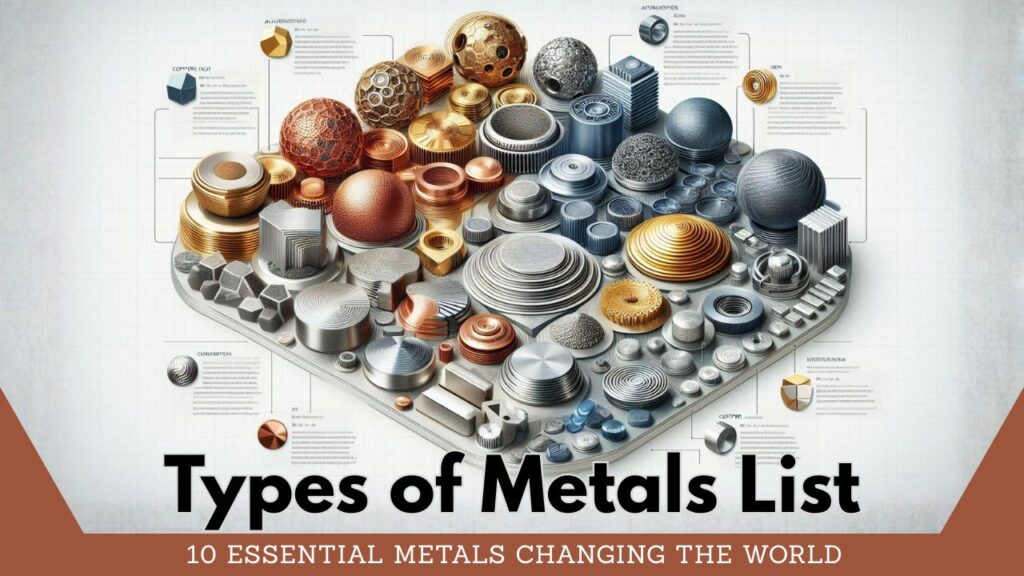
In this detailed guide, we’ll explore the types of metals list that includes ten of the most essential metals transforming industries and daily life. Each metal has unique characteristics, properties, and applications that make it indispensable in engineering, manufacturing, construction, and technology.
So, let’s dive deep into the types of metals list that truly are changing the world.
Understanding the Importance of Metals
Before exploring the types of metals list, it’s crucial to understand why metals are vital. Metals are natural elements that exhibit high conductivity, strength, and malleability. They can withstand extreme conditions, making them perfect for everything from skyscrapers to satellites.
Why Metals Matter
-
Foundation of Modern Infrastructure – Bridges, railways, and vehicles all rely on metals.
-
Powering Technology – Metals like copper and silver enable electronic circuits.
-
Medical and Space Innovation – Titanium and aluminum have advanced medicine and aerospace.
-
Sustainability – Many metals are recyclable, reducing environmental impact.

The 10 Essential Metals Changing the World
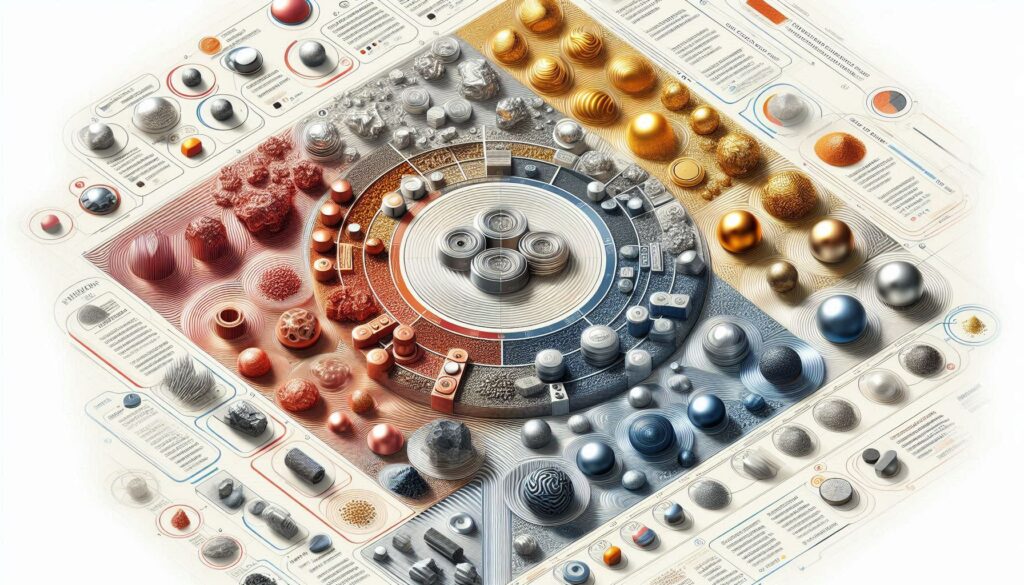
Below is the types of metals list featuring the ten most influential metals driving modern innovation.
| Metal | Symbol | Key Property | Primary Uses | Special Feature |
|---|---|---|---|---|
| Iron (Fe) | Fe | Strong & Abundant | Construction, Tools | Base for Steel Production |
| Copper (Cu) | Cu | High Conductivity | Electrical Wiring | Antimicrobial Properties |
| Aluminum (Al) | Al | Lightweight | Aerospace, Packaging | 100% Recyclable |
| Gold (Au) | Au | Non-Corrosive | Electronics, Jewelry | Excellent Conductor |
| Silver (Ag) | Ag | Most Conductive Metal | Electronics, Medicine | Antibacterial Qualities |
| Titanium (Ti) | Ti | Strength-to-Weight Ratio | Implants, Aircraft | Corrosion Resistant |
| Nickel (Ni) | Ni | Tough & Corrosion-Resistant | Stainless Steel, Batteries | Key in Energy Storage |
| Zinc (Zn) | Zn | Anti-Corrosion | Galvanization | Protects Iron from Rust |
| Platinum (Pt) | Pt | Catalytic Efficiency | Auto Catalysts, Jewelry | Used in Hydrogen Fuel Cells |
| Lithium (Li) | Li | Lightest Metal | Batteries, EVs | Powers Green Energy Revolution |
1. Iron (Fe): The Backbone of Civilization
When you think of strength, think of iron. It’s the foundation of human progress and the most commonly used metal on Earth. Iron makes up around 5% of the Earth’s crust and serves as the backbone of modern infrastructure.
Key Points
-
Found in steel, which is a blend of iron and carbon.
-
Essential for buildings, vehicles, and machinery.
-
Recyclable and abundant.
Why It’s Changing the World:
From bridges to spacecrafts, iron is the material that turned imagination into architecture. In the types of metals list, iron reigns supreme for its sheer utility and strength.
2. Copper (Cu): Powering the Modern World
Copper’s remarkable electrical and thermal conductivity has made it indispensable in modern electronics, renewable energy, and telecommunications.
Key Points
-
Essential in electrical wiring and motors.
-
Used in renewable energy systems like solar panels and wind turbines.
-
Naturally antibacterial, used in healthcare.
Why It’s Changing the World:
As the world transitions to green energy, copper leads the charge—literally. It’s the lifeblood of renewable technologies, ensuring power flows efficiently.
3. Aluminum (Al): The Lightweight Marvel
Aluminum stands out in the types of metals list for its unique combination of lightness, durability, and corrosion resistance. It’s used everywhere — from kitchen foil to airplanes.
Key Points
-
One-third the weight of steel.
-
100% recyclable without losing quality.
-
Used in aerospace, automotive, and packaging industries.
Why It’s Changing the World:
Aluminum’s ability to be recycled infinitely makes it a key player in the sustainability movement. Its use in electric vehicles and renewable infrastructure marks it as a metal of the future.
4. Gold (Au): The Timeless Metal of Value
Beyond its monetary worth, gold plays a crucial role in electronics, dentistry, and aerospace due to its excellent conductivity and corrosion resistance.
Key Points
-
Excellent conductor that doesn’t tarnish.
-
Used in circuit boards and precision electronics.
-
Non-reactive, making it ideal for medical implants.
Why It’s Changing the World:
Gold’s reliability and conductivity ensure high-performance electronics in smartphones, satellites, and even space missions. In the types of metals list, gold remains unmatched for quality and prestige.
5. Silver (Ag): The Shining Conductor
Silver isn’t just for jewelry; it’s a technological powerhouse. Known as the best electrical conductor among all metals, silver has vast applications in energy, medicine, and photography.
Key Points
-
Used in solar panels, electronics, and medicine.
-
Possesses natural antimicrobial properties.
-
Highly reflective and ductile.
Why It’s Changing the World:
Silver’s role in renewable energy — especially in solar cells — makes it one of the most valuable metals for a sustainable future. It’s not just beautiful; it’s brilliant.
6. Titanium (Ti): The Strength of Innovation
Titanium, one of the most advanced metals in the types of metals list, boasts an incredible strength-to-weight ratio. It’s lighter than steel but just as strong.
Key Points
-
Used in medical implants, aircraft, and sports equipment.
-
Resistant to corrosion and extreme temperatures.
-
Non-toxic and biocompatible.
Why It’s Changing the World:
Titanium has redefined medical science and aerospace engineering. From artificial joints to jet engines, its unmatched strength and resilience are changing lives and technology alike.
7. Nickel (Ni): The Energy Metal
Nickel plays a major role in making stainless steel and rechargeable batteries. With the rise of electric vehicles, nickel demand has skyrocketed.
Key Points
-
Enhances steel’s strength and corrosion resistance.
-
Essential in lithium-ion batteries.
-
Found in turbines, coins, and electronics.
Why It’s Changing the World:
Nickel fuels the electric vehicle revolution and clean energy systems. In the types of metals list, it symbolizes innovation and energy transition.
8. Zinc (Zn): The Protector Metal
Zinc might not grab headlines, but it’s the unsung hero of industrial progress. It’s mainly used for galvanization — coating other metals to prevent rust.
Key Points
-
Prevents corrosion when applied to steel or iron.
-
Used in alloys like brass (zinc + copper).
-
Vital for human health and nutrition.
Why It’s Changing the World:
Zinc’s role in protecting infrastructure saves trillions in maintenance costs annually. It literally shields civilization from decay.
9. Platinum (Pt): The Catalyst of Clean Energy
Platinum, part of the noble metal group, is not only luxurious but essential in environmental technology.
Key Points
-
Used in catalytic converters to reduce vehicle emissions.
-
Plays a role in fuel cell development.
-
Highly resistant to tarnish and corrosion.
Why It’s Changing the World:
Platinum’s catalytic properties are helping industries combat pollution and transition to hydrogen-based energy systems. It’s a small metal with massive impact.
10. Lithium (Li): The Future of Energy
Lithium has rapidly risen in importance thanks to the explosion of portable electronics and electric vehicles. Known as the “white gold” of modern industry, it’s a cornerstone of clean energy storage.
Key Points
-
Used in lithium-ion batteries for EVs and smartphones.
-
Lightweight and highly reactive.
-
Central to the renewable energy revolution.
Why It’s Changing the World:
Lithium is redefining mobility and sustainability. It sits at the forefront of the global shift toward renewable power and is perhaps the most future-focused entry in the types of metals list.
Sustainability and Recycling: Metals for a Greener Future
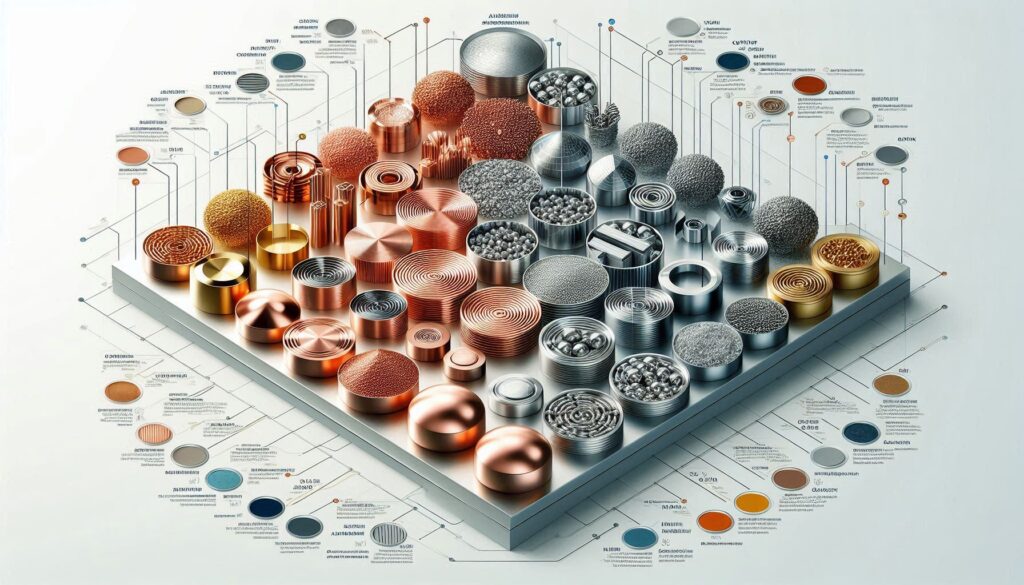
Every entry in the types of metals list offers not only performance but also sustainability potential. Metals like aluminum, copper, and iron are endlessly recyclable, helping industries minimize waste.
Key Sustainability Insights
-
Recycling aluminum saves 95% of the energy required to produce new metal.
-
Copper can be recycled indefinitely without losing conductivity.
-
Steel and iron recycling reduces carbon emissions drastically.
Metals represent the circular economy in action—turning yesterday’s scrap into tomorrow’s innovation.
Applications Across Industries
The types of metals list plays a vital role in diverse industries:
| Industry | Key Metals Used | Application |
|---|---|---|
| Construction | Iron, Steel, Zinc | Buildings, Bridges, Pipelines |
| Automotive | Aluminum, Nickel, Platinum | Body Panels, Batteries, Catalysts |
| Electronics | Copper, Silver, Gold | Circuits, Connectors, Devices |
| Aerospace | Titanium, Aluminum | Aircraft Frames, Jet Engines |
| Renewable Energy | Copper, Lithium, Silver | Solar Panels, Batteries, Turbines |
Each metal in the types of metals list fuels progress in sectors that define human advancement — from healthcare to high-speed travel.
Key Takeaways from the Types of Metals List
-
Metals power modern life — from our homes to our smartphones.
-
Sustainability is key — metals like aluminum and copper are infinitely recyclable.
-
Innovation depends on metals — titanium, lithium, and nickel drive high-tech industries.
-
Diversity of applications ensures metals remain at the heart of civilization.
The types of metals list doesn’t just define materials — it defines humanity’s evolution.
Frequently Asked Questions (FAQs)
| Question | Answer |
|---|---|
| What are the main types of metals? | The main types of metals include iron, copper, aluminum, gold, silver, titanium, nickel, zinc, platinum, and lithium. |
| Which metal is the most used in the world? | Iron is the most used metal globally, primarily for steel production. |
| Which metal is the most expensive? | Platinum and gold are among the most valuable due to rarity and industrial demand. |
| What is the lightest metal? | Lithium is the lightest metal, widely used in rechargeable batteries. |
| Which metals are recyclable? | Almost all metals, including aluminum, copper, and steel, can be recycled multiple times without losing quality. |
| What is the strongest metal on Earth? | Tungsten has the highest tensile strength, though titanium is often used for its strength-to-weight advantage. |
| How do metals contribute to renewable energy? | Metals like copper, lithium, and silver are crucial in solar panels, wind turbines, and batteries for storing clean energy. |
| Why are metals important in daily life? | Metals are used in transport, communication, healthcare, energy, and countless products we use daily. |
| Which metal is best for corrosion resistance? | Titanium and stainless steel (iron + nickel + chromium) are highly corrosion-resistant. |
| What future trends involve metals? | The rise of electric vehicles, clean energy storage, and space exploration all rely heavily on advanced metals. |
Conclusion – Types of Metals List
The types of metals list we explored reveals far more than just elements—it showcases the building blocks of innovation, sustainability, and human progress. From iron’s strength to lithium’s lightness, each metal contributes to shaping our civilization and enabling a smarter, cleaner, and more connected world.
Metals are not just raw materials; they’re the lifeblood of modern technology and future advancements. Understanding them empowers us to appreciate the silent yet powerful forces that keep our world running.
In essence, the “types of metals list” isn’t just about what we build — it’s about how we build the future.